Protecting Your Child's Vision With Expert Myopia Management

Childhood myopia is increasing at an alarming rate worldwide, and without intervention, a child's nearsightedness can progress rapidly throughout their school years.

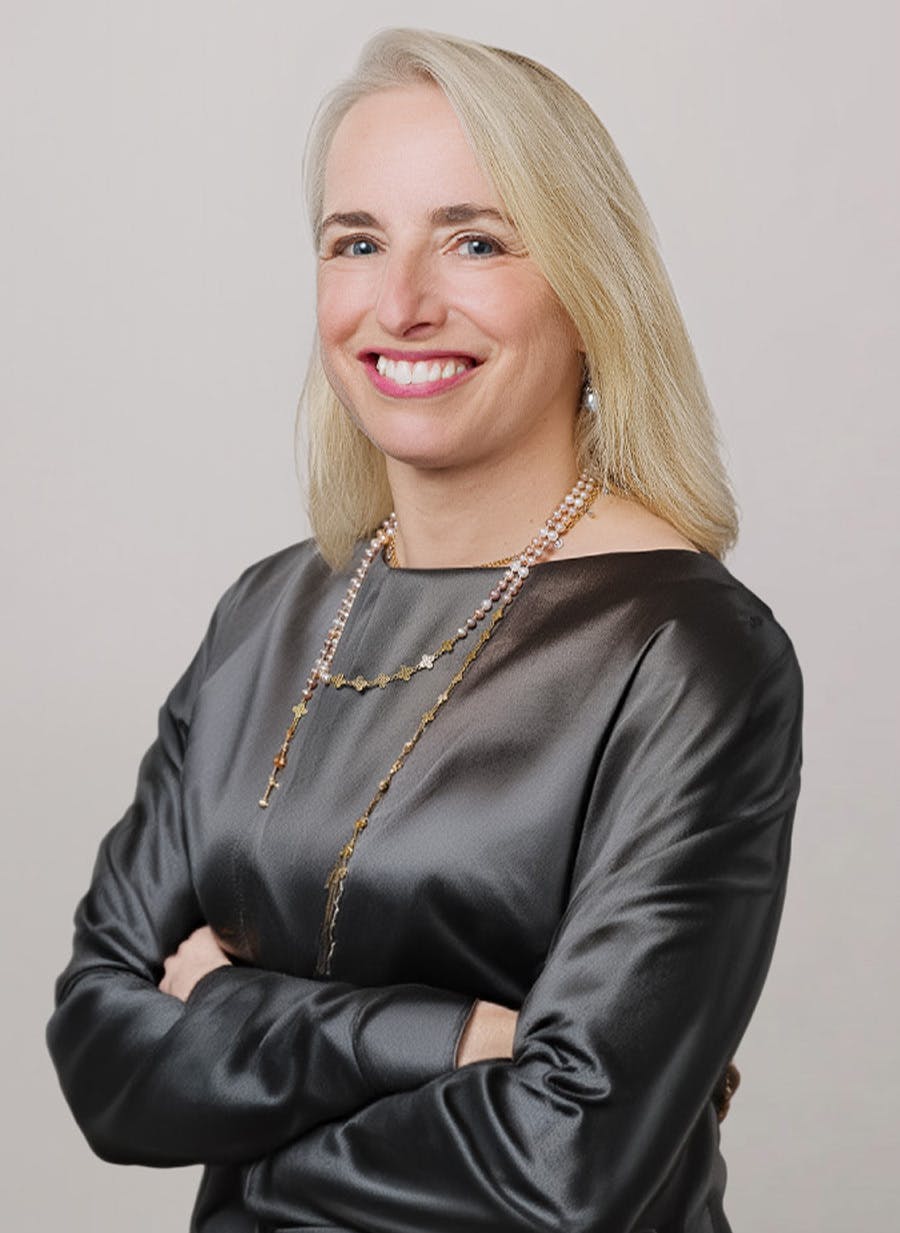
Dr. Lisabeth S. Hall, MD, provides comprehensive myopia control services at the Eye Center of New York, helping families take proactive steps to slow their child's myopia progression. With over 25 years of experience as a fellowship-trained pediatric ophthalmologist and former Director of Pediatric Ophthalmology and Strabismus at New York Eye and Ear Infirmary, Dr. Hall brings the specialized expertise needed to develop individualized myopia management plans. 

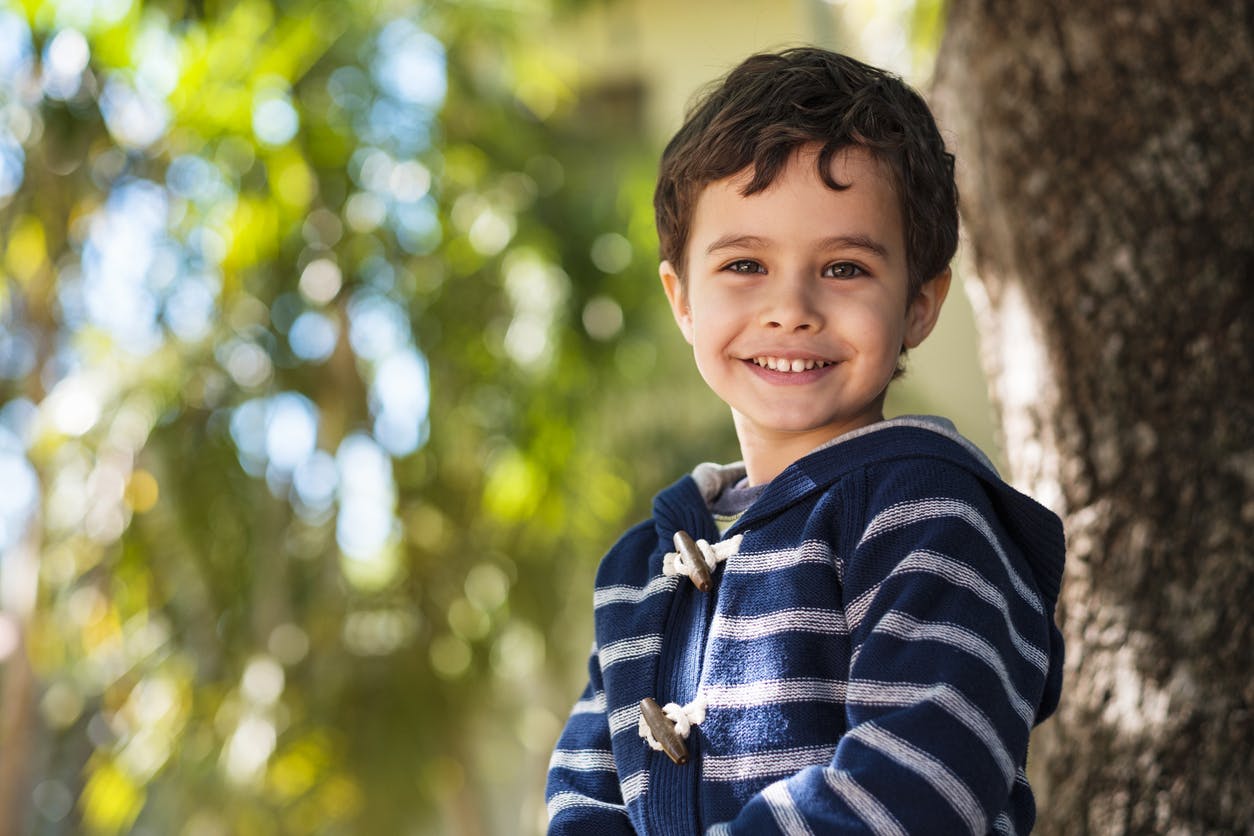
Boy wearing a backpack in school
Background image pattern

What Is Myopia?

Myopia, commonly called nearsightedness, occurs when the eye grows too long from front to back. This elongation causes light to focus in front of the retina rather than directly on it, making distant objects appear blurry while close objects remain clear. While glasses and contact lenses can correct blurry distance vision, they do not address the underlying problem of continued eye elongation. More concerning, as myopia increases in severity, so does the risk of sight-threatening complications later in life.

Risks associated with higher degrees of myopia include:

  • Retinal detachment
  • Myopic maculopathy
  • Early cataracts
  • Glaucoma
  • Permanent vision impairment

This is why myopia control has become an important focus in pediatric eye care.

Why Is Childhood Myopia Increasing?

Factors associated with increased myopia development include:

  • Extended time spent on near-work activities (reading, computer use, tablets, phones)
  • Reduced time spent outdoors
  • Intensive educational demands beginning at younger ages
  • Limited exposure to natural sunlight
  • Prolonged screen time, particularly on handheld devices

The COVID-19 pandemic and associated increase in remote learning appear to have accelerated myopia progression in many children, highlighting the impact of environmental factors on eye development.

Banner media

What Is Myopia Control?

Myopia control refers to treatments specifically designed to slow the progression of nearsightedness in children. 

The goal of myopia control is to limit how much the eye elongates, reducing the final degree of myopia and the associated lifetime risk of serious eye complications.

Myopia Control Treatment Options

Dr. Hall offers several evidence-based approaches to myopia control, selecting the most appropriate option based on your child's age, degree of myopia, rate of progression, and individual circumstances.

Low-Dose Atropine Eye Drops

Atropine eye drops at low concentrations have been shown to slow myopia progression in children. While the exact mechanism is not fully understood, researchers believe atropine may influence the biochemical signals that trigger excessive eye growth.

What to expect with low-dose atropine:

  • One drop is placed in each eye at bedtime
  • Treatment continues for several years during the critical growth period
  • Low-dose formulations (typically 0.01% to 0.05%) minimize side effects
  • Your child will still need glasses or contact lenses for vision correction during the day
  • Regular monitoring allows Dr. Hall to adjust the treatment plan as needed
  • Low-dose atropine is particularly appealing because it is easy to administer and well-tolerated by most children.

Orthokeratology (Ortho-K)

Orthokeratology involves wearing specially designed rigid contact lenses overnight to temporarily reshape the cornea. The child removes the lenses in the morning and can see clearly throughout the day without glasses or contact lenses. Research demonstrates that orthokeratology can slow axial eye elongation, making it both a vision correction and myopia control strategy.

What to expect with orthokeratology:

  • Custom-fitted lenses are worn only during sleep
  • Vision correction effect lasts throughout the waking hours
  • Lenses require careful cleaning and maintenance
  • Works best for children old enough to handle contact lens care responsibly
  • Requires regular follow-up to ensure proper fit and eye health
  • Carries the same infection risks as other contact lens wear

Multifocal Contact Lenses

Specially designed soft contact lenses with multiple focusing zones can slow myopia progression while correcting vision. These lenses create peripheral defocus, which is thought to slow the signal for eye elongation.

Options include:

  • MiSight: FDA-approved daily disposable lenses for myopia control in children ages 8-12.
  • Other multifocal soft contact lens designs that may provide similar benefits
  • These lenses are worn during the day and discarded each night, eliminating overnight wear
  • and reducing infection risk compared to orthokeratology.

Combination Therapy

For children with rapid progression despite a single treatment modality, Dr. Hall may recommend adding a second intervention. For example, combining low-dose atropine with orthokeratology has shown promising results in clinical studies.

Background media
Dr. Lisbeth S. Hall, MD
Background image pattern

Why Choose Dr. Hall for Myopia Control?

Dr. Hall offers:

  • Comprehensive evaluation: Thorough baseline assessment including axial length measurement (when available), refraction under cycloplegia, and evaluation of risk factors for progression.
  • Individualized treatment planning: Selection of the most appropriate intervention based on your child's specific situation and family preferences.
  • Ongoing monitoring: Regular follow-up to track progression and modify treatment as needed.
  • Expert guidance: Over 25 years of experience in pediatric ophthalmology, including leadership roles at major academic institutions.
  • Honest communication: Clear explanations of what myopia control can and cannot achieve, helping families set realistic expectations.

Who Is a Candidate for Myopia Control?

Your child may benefit from myopia control if they:

  • Have been diagnosed with myopia (nearsightedness)
  • Show evidence of rapid myopia progression (prescription increasing by 0.50 diopters or more each year)
  • Have one or both parents who are nearsighted (suggesting genetic predisposition)
  • Spend significant time on near-work activities including screens, reading, and homework
  • Have limited outdoor time (less than 1-2 hours daily)
  • Started wearing glasses at a young age (before age 10)
  • Have high myopia already and are at risk for continued progression
    Have siblings with progressive myopia

Factors that influence treatment selection:

  • Your child's age and maturity level
  • The current degree of myopia and rate of progression
  • Your child's ability to handle contact lenses responsibly (for ortho-K or multifocal lenses)
  • Family lifestyle and preferences
    Any other eye conditions that may affect treatment options

Why Choose Eye Center of New York for Myopia Control?

The Eye Center of New York provides an ideal setting for comprehensive myopia management, combining Dr. Hall's pediatric expertise with a practice dedicated to exceptional patient care.

  • A proactive, science-based approach: Dr. Hall stays current with the latest research on myopia control, ensuring your child has access to evidence-based treatment options. She understands that myopia management is an evolving field and applies the most current knowledge to each patient's care.
  • Truly individualized treatment plans: Every child's eyes are different, and so is every family's situation. The private-pay model at the Eye Center of New York allows Dr. Hall to spend the time necessary to understand your child's specific circumstances and develop a customized treatment strategy.
  • Long-term partnership in your child's care: Myopia control is not a one-time treatment—it requires ongoing monitoring and adjustment over several years. Dr. Hall is committed to working with your family throughout your child's growth years, tracking progress and modifying the approach as needed.
  • A comfortable environment for young patients: The Eye Center of New York's modern, welcoming atmosphere helps put children and their families at ease. The thoughtfully designed space feels more like a lounge than a clinical waiting room, reducing anxiety for young patients.
  • Access to advanced diagnostic technology: Accurate assessment of myopia progression requires precise measurements. The Eye Center of New York invests in state-of-the-art diagnostic equipment to ensure thorough baseline evaluations and reliable monitoring over time.
  • Coordination with comprehensive eye care: As your child grows, their eye care needs may evolve. The Eye Center of New York offers seamless coordination should your child require additional services, ensuring continuity of care throughout their development.
Banner media

Understanding Payment for Myopia Control Services

Myopia control treatments often involve components not covered by standard vision or medical insurance, such as specialty contact lenses or compounded atropine drops. 

Dr. Hall's myopia control services at the Eye Center of New York are offered on a private-pay basis. This approach allows for unhurried consultations, thorough evaluation, and truly individualized care. Our team will provide clear cost information so you can make an informed decision about your child's treatment.

Take Action to Protect Your Child's Vision

Myopia that develops in childhood often continues to worsen throughout the school years, and higher degrees of nearsightedness are associated with greater risks of sight-threatening complications. Taking proactive steps now can make a meaningful difference in your child's long-term visual health.

Contact the Eye Center of New York to schedule a myopia evaluation and learn how we can help slow your child's myopia progression.

Frequently Asked Questions Myopia Control

Will myopia control treatment eliminate my child's need for glasses?

What are the side effects of low-dose atropine drops?

Is orthokeratology safe for my child? What about infection risk?

How long will my child need to continue myopia control treatment?

What happens if we stop myopia control treatment early?

My child's myopia is still progressing despite treatment. What can be done?

At what age should myopia control treatment begin?

Will my child need to see Dr. Hall frequently during myopia control treatment?

Can myopia control prevent my child from developing high myopia?

Background media

Will myopia control treatment eliminate my child's need for glasses?

No, myopia control slows the progression of nearsightedness but does not reverse existing myopia or eliminate the need for vision correction. The goal is to reduce how much worse your child's prescription becomes over time, which lowers their lifetime risk of eye complications.

What are the side effects of low-dose atropine drops?

Low-dose atropine (0.01% to 0.05%) typically causes minimal side effects, though some children experience mild light sensitivity or occasional near blur. These effects are usually well-tolerated, and strategies like photochromic lenses can help manage any light sensitivity.

Is orthokeratology safe for my child? What about infection risk?

Orthokeratology has been used safely for decades when lenses are properly fitted and cared for. The infection risk is similar to other rigid contact lens wear, and proper hygiene, including thorough hand washing and correct lens cleaning, is essential for safety.

How long will my child need to continue myopia control treatment?

Most children continue treatment throughout their growth years, typically until their late teens when myopia progression naturally slows. Dr. Hall will monitor your child's progress and make recommendations based on their individual rate of progression.

What happens if we stop myopia control treatment early?

Stopping treatment before myopia has naturally stabilized may result in a rebound effect where progression accelerates. This is particularly true for atropine, where abrupt discontinuation of higher doses has been associated with faster progression than if treatment had not been used.

My child's myopia is still progressing despite treatment. What can be done?

If progression continues despite one treatment approach, Dr. Hall may recommend increasing the atropine concentration or adding a second modality. Combination therapy, such as orthokeratology plus low-dose atropine, has shown enhanced effectiveness in research studies.

At what age should myopia control treatment begin?

Treatment is most beneficial when started early, during the years of most rapid eye growth. Children as young as 5 or 6 may be candidates, and research shows that earlier intervention often leads to better long-term outcomes.

Will my child need to see Dr. Hall frequently during myopia control treatment?

Regular monitoring is essential to assess whether the treatment is working and to check for any side effects. Most children on myopia control treatment are seen every four to six months, though the schedule may vary based on individual needs.

Can myopia control prevent my child from developing high myopia?

While no treatment can guarantee a specific outcome, reducing the rate of progression significantly lowers the likelihood that a child will develop high myopia. Even a reduction of one or two diopters over childhood can meaningfully decrease the risk of future complications.

Schedule Your Appointment Your Vision Awaits

Request an Appointment
Contact us media
Accessibility: If you are vision-impaired or have some other impairment covered by the Americans with Disabilities Act or a similar law, and you wish to discuss potential accommodations related to using this website, please contact our Accessibility Manager at (332) 263-4449.
Request an Appointment