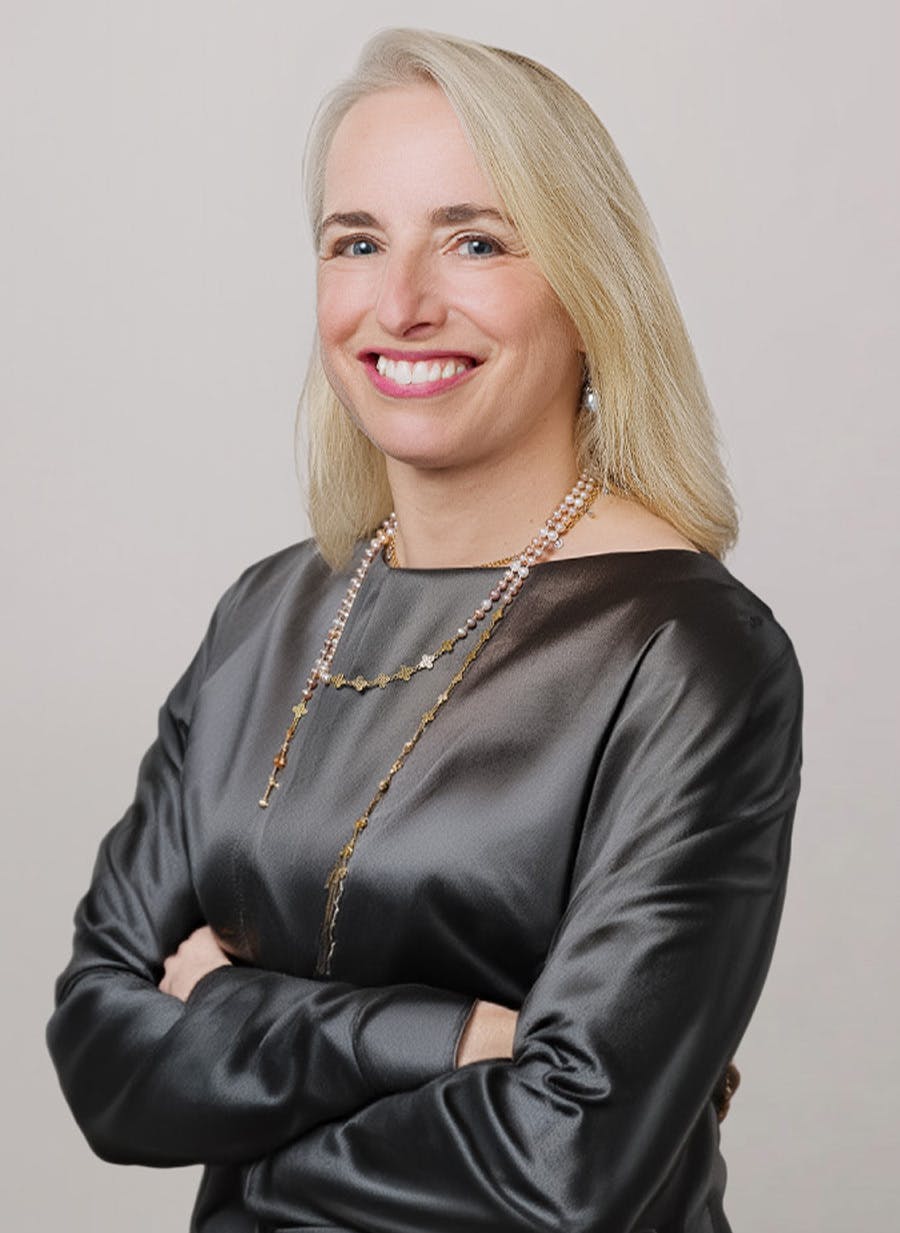
Expert Pediatric Eye Care With Dr. Lisabeth S. Hall

Protecting your child's vision starts with choosing the right specialist. Dr. Lisabeth S. Hall, MD, brings over 25 years of fellowship-trained expertise in pediatric ophthalmology to the Eye Center of New York, offering families access to one of the region's most experienced children's eye care providers.

Her dedication to pediatric eye health has shaped the standard of care in New York City, and she now brings that expertise directly to families seeking exceptional ophthalmic care for their children.

Boy wearing a backpack in school
Background image pattern

What Is Pediatric Ophthalmology?

Pediatric ophthalmology is a subspecialty focused on diagnosing and treating eye conditions in infants, children, and adolescents. Children's eyes differ significantly from adult eyes, both in anatomy and in the way they develop. A pediatric ophthalmologist treats conditions including:

  • Strabismus (misaligned or crossed eyes)
  • Amblyopia (lazy eye)
  • Blocked tear ducts
  • Pediatric cataracts
  • Childhood glaucoma
  • Refractive errors requiring glasses
  • Eye infections and injuries
  • Retinopathy of prematurity
  • Genetic and congenital eye conditions

Who Is a Candidate for Pediatric Ophthalmology Care?

Any infant, child, or adolescent with a suspected or diagnosed eye condition can benefit from evaluation by a pediatric ophthalmologist. However, certain situations make a specialized pediatric eye examination particularly important.

Your child should see a pediatric ophthalmologist in New York City if they:

  • Failed a vision screening at school or the pediatrician's office
  • Have a family history of childhood eye conditions, strabismus, or amblyopia
  • Were born prematurely, especially if they required oxygen therapy or NICU care
  • Show signs of eye misalignment or a wandering eye
  • Frequently squint, tilt their head, or close one eye when looking at objects
  • Complain of headaches, eye strain, or difficulty seeing the board at school
  • Have difficulty with reading or learning that may be vision-related
  • Experience excessive tearing, eye discharge, or light sensitivity
  • Have a white pupil reflex in photographs instead of the typical red-eye appearance
  • Suffer from developmental delays or genetic conditions that may affect vision
  • Have diabetes, juvenile arthritis, or other systemic conditions that can impact eye health

Children who should have routine pediatric eye examinations include:

  • Infants with risk factors for eye disease (prematurity, family history)
  • Children with a parent or sibling who has strabismus or amblyopia
  • Any child whose parents have concerns about their vision or eye appearance

Early intervention is critical for many childhood eye conditions. The visual system develops rapidly during the first years of life, and some conditions—like amblyopia—are most effectively treated when caught early.


Banner media
Background image pattern

Why Choose Dr. Hall for our Child's Eye Care?

Selecting a pediatric ophthalmologist requires finding someone with the specialized training, clinical experience, and temperament to work effectively with young patients. Dr. Hall's credentials and background make her uniquely qualified to care for children's eyes in the New York City area.

  • Unmatched experience: Dr. Hall has evaluated and treated thousands of pediatric patients throughout her career, including complex cases referred by other ophthalmologists. Her two decades leading the pediatric ophthalmology program at New York Eye and Ear Infirmary provided extensive surgical and clinical experience across the full spectrum of childhood eye conditions.
  • Fellowship training at a world-renowned center: Dr. Hall completed her pediatric ophthalmology fellowship at UCLA's Jules Stein Eye Institute, one of the most prestigious ophthalmology training programs in the country. This advanced training equipped her with specialized techniques for examining children and performing delicate eye muscle surgeries.
  • Academic leadership: As Associate Clinical Professor of Ophthalmology at the Icahn School of Medicine at Mount Sinai, Dr. Hall remains at the forefront of advances in pediatric eye care and contributes to training the next generation of ophthalmologists.
  • A patient-centered approach: Children require a different approach than adults. Dr. Hall understands how to put young patients at ease, conduct thorough examinations even with uncooperative children, and communicate clearly with parents about diagnoses and treatment options.

Common Pediatric Eye Conditions We Treat

Strabismus (Crossed or Misaligned Eyes)

Strabismus occurs when the eyes do not properly align with each other when looking at an object. One eye may turn inward (esotropia), outward (exotropia), upward (hypertropia), or downward (hypotropia). If left untreated, strabismus can lead to amblyopia and permanent vision problems. Dr. Hall specializes in both non-surgical and surgical treatment of strabismus in children.

Amblyopia (Lazy Eye)

Amblyopia is one of the most common causes of vision problems in children, occurring when vision does not develop normally in one eye. The brain begins to favor the stronger eye, which can lead to permanent vision impairment if not treated during childhood. Treatment options include patching, atropine drops, and correction of underlying conditions like strabismus or significant refractive errors.

Refractive Errors

Nearsightedness (myopia), farsightedness (hyperopia), and astigmatism are common in children and can significantly impact learning and development if not corrected. Dr. Hall performs comprehensive refractive evaluations to determine whether your child needs glasses and can discuss myopia control options for children whose nearsightedness is progressing rapidly.

Blocked Tear Ducts

Many infants are born with blocked tear ducts, which can cause excessive tearing, crusting, and eye discharge. While some cases resolve on their own, others require intervention. Dr. Hall can determine the appropriate treatment approach based on your child's age and the severity of the condition.

Pediatric Cataracts

Though rare, some children are born with or develop cataracts that can interfere with visual development. Pediatric cataracts require prompt evaluation and often surgical intervention to prevent amblyopia.

Background media

What to Expect During Your Child's Visit

A comprehensive pediatric eye examination in New York City takes approximately 60 to 90 minutes and involves several components designed to thoroughly assess your child's visual function and eye health.

Before the appointment

Gather any relevant medical records, including information about your child's birth history, developmental milestones, and family history of eye conditions. If your child wears glasses, bring them to the appointment.

During the examination

Dr. Hall will evaluate your child's visual acuity using age-appropriate methods. Eye alignment and movement will be assessed, and a slit lamp examination may be performed. In most cases, dilating drops will be placed in your child's eyes to allow a complete view of the retina and optic nerve. Dilation typically takes about 45 minutes to take effect and causes temporary light sensitivity and blurred near vision that resolves within several hours.

After the examination

Dr. Hall will discuss her findings with you and explain any recommended treatments in detail. You will have the opportunity to ask questions and understand the next steps in your child's care.

Understanding Payment for Pediatric Ophthalmology Services

Dr. Hall's pediatric ophthalmology services at the Eye Center of New York are offered on a private-pay basis. This approach allows Dr. Hall to dedicate the time and attention each young patient deserves without the constraints often imposed by insurance networks.

During your initial consultation, our team will provide transparent information about fees so you can make an informed decision about your child's care. We are happy to provide documentation that you may submit to your insurance company for potential out-of-network reimbursement.

Banner media

Schedule a Pediatric Eye Examination Today

Every child deserves healthy vision, and early detection of eye problems can make a significant difference in your child's visual development and overall quality of life.

Contact the Eye Center of New York to schedule your child's appointment with one of Manhattan's most experienced pediatric ophthalmologists.

Frequently Asked Questions Pediatric Ophthalmology

My child passed the vision screening at school. Do they still need a pediatric eye exam?

At what age is a child too young to have their eyes examined?

Will the dilating drops hurt my child?

How can Dr. Hall determine if my young child needs glasses if they cannot read an eye chart?

My child's eyes sometimes look crossed, but other times they appear straight. Should I be concerned?

How long will treatment for amblyopia take, and will my child need to wear a patch?

If my child needs glasses, will they have to wear them forever?

Can screen time really damage my child's eyes?

Background media

My child passed the vision screening at school. Do they still need a pediatric eye exam?

A school vision screening is not a substitute for a comprehensive eye examination and may miss conditions that a pediatric ophthalmologist would detect. Vision screenings typically assess distance visual acuity but do not evaluate eye alignment, focusing ability, or internal eye health.

At what age is a child too young to have their eyes examined?

There is no age that is "too young" for a pediatric eye examination; infants can and should be evaluated if there are concerns. Dr. Hall uses specialized techniques to assess visual function and eye health in patients of any age, including newborns who cannot yet communicate.

Will the dilating drops hurt my child?

The drops may cause a brief stinging sensation lasting only a few seconds, similar to getting water in the eyes. After dilation, your child will experience light sensitivity and blurred near vision for several hours, so bringing sunglasses is helpful.

How can Dr. Hall determine if my young child needs glasses if they cannot read an eye chart?

Pediatric ophthalmologists use objective measurements that do not require any verbal response from the child. By using dilating drops and specialized instruments, Dr. Hall can accurately determine your child's prescription regardless of their age or ability to cooperate with a standard eye chart.

My child's eyes sometimes look crossed, but other times they appear straight. Should I be concerned?

Intermittent eye crossing is not normal after the first few months of life and warrants evaluation. Even occasional misalignment can lead to amblyopia if the brain begins suppressing vision from one eye, so early assessment by a pediatric ophthalmologist is important.

How long will treatment for amblyopia take, and will my child need to wear a patch?

Treatment duration varies depending on the severity of amblyopia and your child's age, but it often continues for months to years. Patching is one treatment option, but Dr. Hall may also recommend atropine drops or other approaches based on your child's specific situation.

If my child needs glasses, will they have to wear them forever?

This depends on the underlying condition being corrected with glasses. Some children outgrow the need for glasses as their eyes develop, while others may require correction into adulthood. Dr. Hall will discuss what to expect based on your child's diagnosis.

Can screen time really damage my child's eyes?

Extended near work, including screen time, is associated with increased risk of myopia development and progression. Dr. Hall recommends balancing screen time with outdoor activities and taking regular breaks to support healthy visual development.

Schedule Your Appointment Your Vision Awaits

Request an Appointment
Contact us media
Accessibility: If you are vision-impaired or have some other impairment covered by the Americans with Disabilities Act or a similar law, and you wish to discuss potential accommodations related to using this website, please contact our Accessibility Manager at (332) 263-4449.
Request an Appointment