22 May 2026
Dry eyes are among the most common side effects after LASIK surgery, affecting most patients during the initial healing period. Dr. Tal Raviv, MD, FACS, brings over two decades of refractive surgery expertise to help patients navigate this temporary but sometimes frustrating phase of recovery. The good news? Post-LASIK dry eye typically resolves within three to six months, and proven strategies can significantly ease discomfort during healing.
In this blog, we'll discuss why dry eyes occur after LASIK, evidence-based treatments that provide real relief, and when to seek professional guidance for persistent symptoms.
Why LASIK Causes Temporary Dry Eye
Understanding the cause of post-LASIK dryness helps patients manage expectations and take appropriate action:
- Corneal nerve disruption: LASIK creates a thin flap in the cornea, temporarily cutting nerves that signal tear production.
- Reduced blink reflex: Disrupted nerves may decrease your natural blink rate, leading to faster tear evaporation.
- Inflammation response: The healing process triggers mild inflammation that can affect tear film stability.
- Pre-existing conditions: Patients with borderline dry eye before surgery may experience more pronounced symptoms afterward.
Corneal nerves begin regenerating within weeks of surgery, with most patients experiencing significant improvement by three months. Dr. Steven W. Stetson, our LASIK specialist who has performed over 80,000 laser vision correction procedures, carefully screens patients for dry eye risk factors before recommending treatment.
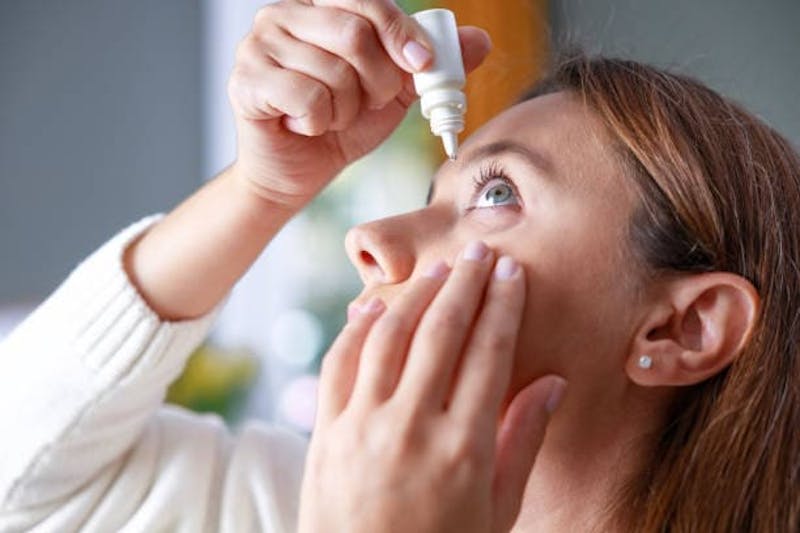
Artificial Tears: Your First Line of Defense
Lubricating eye drops remain the cornerstone of post-LASIK dry eye management:
- Preservative-free formulas: These cause less irritation with frequent use and are recommended for the first several weeks.
- Dosing frequency: Most surgeons recommend drops every one to two hours initially, tapering as symptoms improve.
- Gel drops for nighttime: Thicker formulations provide extended moisture while you sleep.
- Consistent use: Applying drops before symptoms worsen prevents the cycle of irritation and inflammation.
The American Academy of Ophthalmology emphasizes that proactive lubrication outperforms reactive treatment. Rather than waiting until your eyes feel scratchy or irritated, maintaining a regular drop schedule supports the healing tear film and promotes faster nerve recovery.
Environmental and Lifestyle Modifications
Simple changes to your surroundings and habits can dramatically reduce dry eye symptoms:
- Humidity control: Using a humidifier, especially during winter months or in air-conditioned spaces, keeps moisture in the air.
- Screen breaks: Following the 20-20-20 rule (every 20 minutes, look at something 20 feet away for 20 seconds) reduces eye strain and encourages blinking.
- Protective eyewear: Wraparound sunglasses shield eyes from wind and dry air when outdoors.
- Hydration: Drinking adequate water supports overall tear production and quality.
Studies from the National Eye Institute indicate that environmental factors significantly influence tear evaporation rates. Avoiding direct airflow from fans, car vents, and heating systems pointed toward your face can make a noticeable difference during the recovery period.
Omega-3 Fatty Acids and Nutritional Support
Dietary interventions offer a natural approach to supporting tear quality:
- Fish oil supplements: Omega-3s help reduce inflammation and improve the oily layer of the tear film.
- Food sources: Fatty fish like salmon, sardines, and mackerel provide natural omega-3 benefits.
- Flaxseed oil: A plant-based alternative that also supports tear production.
- Consistent intake: Benefits typically appear after several weeks of regular supplementation.
Omega-3 supplementation can improve dry eye symptoms and tear film stability. While not a quick fix, incorporating these nutrients supports long-term ocular surface health beyond LASIK recovery.
When to Seek Additional Treatment
Most post-LASIK dry eye resolves with conservative measures, but certain situations warrant professional evaluation:
- Symptoms persisting beyond six months: Extended dryness may indicate an underlying condition requiring targeted treatment.
- Severe discomfort: Pain, significant redness, or vision changes should prompt immediate consultation.
- Inadequate relief from drops: When artificial tears aren't providing sufficient comfort, prescription options may help.
- Impact on daily activities: Difficulty with reading, driving, or screen use despite treatment deserves attention.
Advanced treatments include prescription anti-inflammatory drops, punctal plugs to retain natural tears, and intense pulsed light therapy for meibomian gland dysfunction. Dr. Melissa Sherman, our optometrist specializing in dry eye disease, offers comprehensive diagnostic evaluation and personalized treatment protocols for patients experiencing persistent symptoms.
Expert Dry Eye Care at Eye Center of New York
Managing dry eyes after LASIK requires understanding the healing process and implementing strategies that actually work. The team at Eye Center of New York combines decades of refractive surgery experience with specialized dry eye expertise, ensuring patients receive comprehensive support throughout their vision correction journey.
Dr. Stetson's meticulous pre-operative screening helps identify dry eye risk factors before surgery, while our post-operative protocols incorporate the latest evidence-based treatments. Whether you're considering LASIK or currently recovering, our physicians provide the personalized guidance you need to achieve comfortable, clear vision.
Schedule your consultation today to discuss LASIK candidacy or dry eye concerns with our expert team.